
|
|
Atmospheric Adventures - the Cloud Model Engine Story
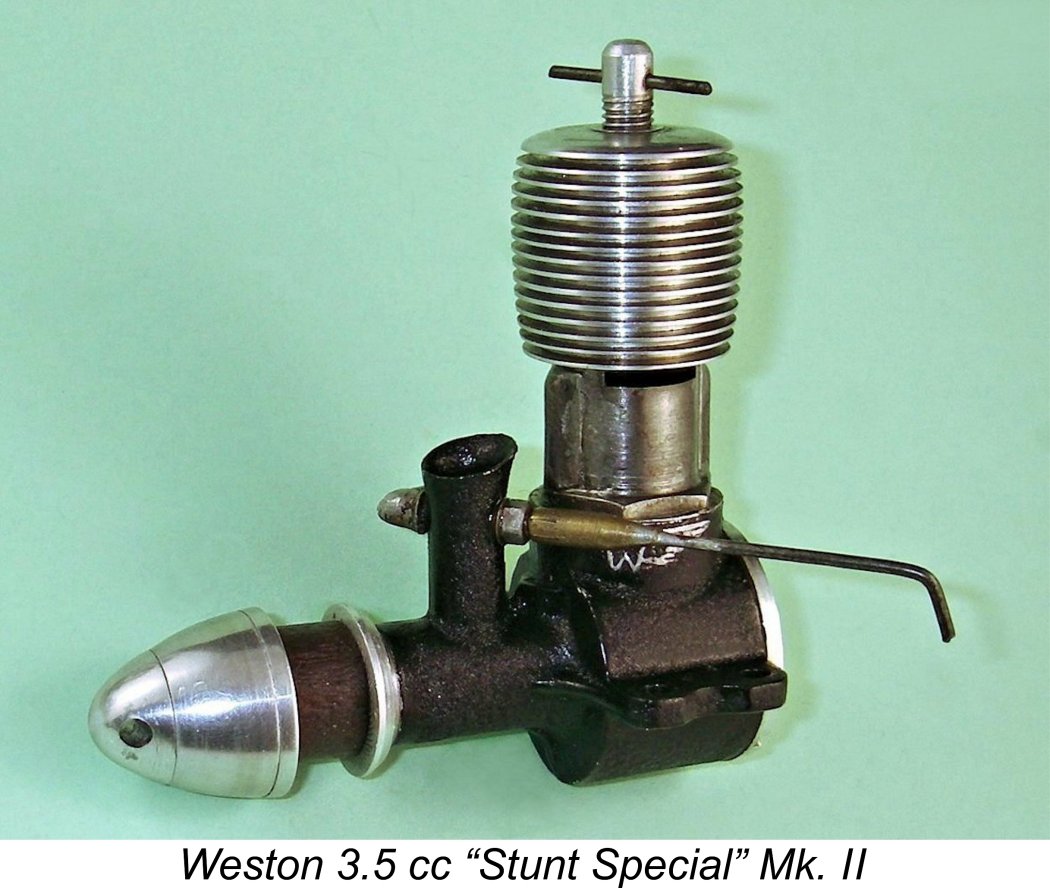
In what follows, I’ll share what I know about one of the more obscure and short-lived pre-war British model engine marques – the Cloud range. This rather ephemeral series was an early This was not the first such “house” offering – that honour undoubtedly belongs to the famous Gamages department store, which introduced a 78.8 cc two-stroke aero engine under their own name in 1910. The prominent London model goods supply outlet of J. Bonn & Co. (later A. E. Jones Ltd.) followed suit in 1913 by offering their 158 cc Bonn-Mayer four-stroke V-twin, which was later followed in turn by A. E. Jones' Improved Atom Minor of 1933 and 9 cc Andrich of 1935. Nor would the Cloud range be the last such “house” range – post-WW2 examples included the M.S. engines from the Newcastle Model Shop, the Milford engines from the Milford Gauge Company of Harrow, the Dyne range from Watkins Model Stores of Cardiff, the Weston diesels from Weston Model Aero Supplies of Weston-Super-Mare, the Comet 0.4 cc diesel marketed by Gamages of London and the Ace 0.5 cc diesel from Model Aircraft Supplies Ltd., also of London.
Not possessing an example of the Cloud range myself, all that I’m able to do here is share a little general information about the engines and their manufacturer. In that regard, I must acknowledge my indebtedness to Alex Imrie, who recorded a considerable amount of information relating to the manufacture of the Cloud engines in an article about the Cloud Airmaster kit model of 1938 which appeared in the February 2000 issue of "Model Flyer" magazine. OK, might as well get right to it! On with our tale…………… Background The Cloud model engine venture was an initiative of a firm called Cloud (Model) Aircraft of 304-306 High Street in Dorking, Surrey. This business had begun life as a model shop owned by R. J. O’Neil, who was a noted model aircraft designer and a regular competitor in early power model aircraft competitions. By some means which are now unknown, Neil managed to persuade the well-known and long-established menswear firm of Dunn & Co. to invest in his business.
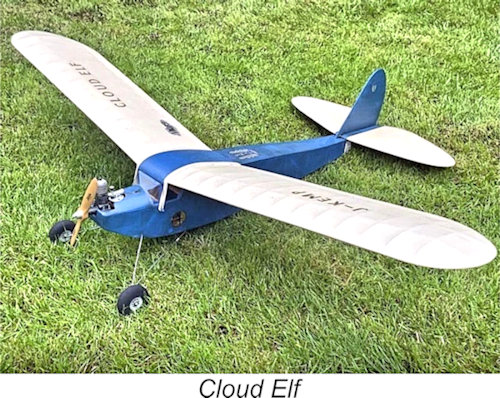
One point that should be made here in passing is that the Cloud Elf was subsequently adapted by the late O. F. W. Fisher and offered in plan form by his Performance Kits company. This has led to a widespread perception that the Cloud Elf was a Fisher design. Respect for the memory of R. J. O'Neil requires that the record be set straight here! The design offered by Fisher was his adaptation of an original design by R. J. O'Neil.
The engine expert in question was John Edward Snelling Colyer of Littlehampton, Sussex, who was always known to one and all as “Jack” Colyer. Born on January 7th, 1909 (d. December 18th, 1989), Colyer was a long-time aeromodelling enthusiast and a skilled model engineer in addition to possessing considerable talent in the fields of art and music - a man of many parts!
Colyer had made his initial foray into the field of competitive power modelling in 1936 with his own rendition of the 8-foot wingspan "Blue Dragon" model designed by his close friend Col. (then Captain) C. E. Bowden. Powered by one of the earliest examples of the Brown Junior engine to reach Britain, this model narrowly missed winning the inaugural Bowden Trophy competition for Colyer in 1937. Apart from his active participation in power aeromodelling, Colyer was a genuine dyed-in-the-wool model engine enthusiast - his friend and fellow club member Ron Warring recalled that he became one of the first documented engine collectors by eventually accumulating a collection of over 50 American engines representative of then-current design and manufacturing practice in that country. By 1938 Colyer had honed his model engineering skills to the point at which he was able to demonstrate his capabilities by making his own engines.
Although it can’t be proved, Colyer’s workshop was probably located on Church Street in Littlehampton, since this later became the location of his initial post-WW2 activities. Although having his own workshop was a great asset for Colyer, his inventory of available equipment was far more consistent with small-scale model engineering hobby activities than with the commercial series manufacture of model engines. Fortunately, Colyer possessed a valuable ally in the form of his fellow power modeller R. J. O’Neil, who once again exercised his clearly considerable powers of persuasion to arrange for a further injection of capital from Dunn to finance the acquisition of milling and honing equipment to augment Colyer’s existing machine tool inventory. So equipped, Colyer was now in a position to undertake the small-scale series manufacture of model engines which were to be marketed by O’Neil’s company under the Cloud trade-name. Time now to take a necessarily somewhat cursory look at the engines which he produced under the terms of his agreement with O'Neil. The Cloud Engines – an Overview Even with the additional equipment obtained through the financial support of Dunn & Co., Colyer’s Littlehampton workshop remained relatively modest in scale, hence only being capable of producing engines in somewhat limited numbers. However, this was doubtless not seen as a problem since the engines would be sold exclusively through the single retail outlet of Cloud (Model) Aircraft in Dorking, which could only absorb so many units. The distance between the two communities was only some 40 miles, with Dorking lying almost due north of Littlehampton in the direction of London. Delivery of batches of Colyer’s finished engines was thus relatively straightforward. Three Cloud model engine designs are known to have been produced. It seems safe to presume that all three were designed by Jack Colyer, who appears to have retained ownership of the designs based upon later evidence. Unfortunately, details of these units are in rather short supply, nor are their production histories by any means completely clear. Not being in possession of any examples myself, the best that I can do is share a few images which I’ve come across together with a few details extracted from the contemporary modelling media.
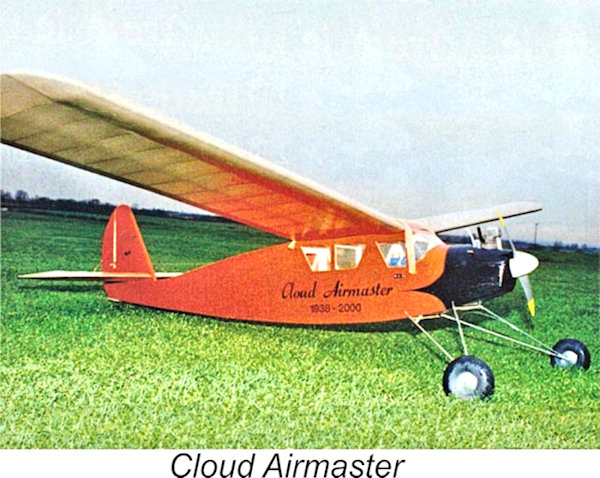
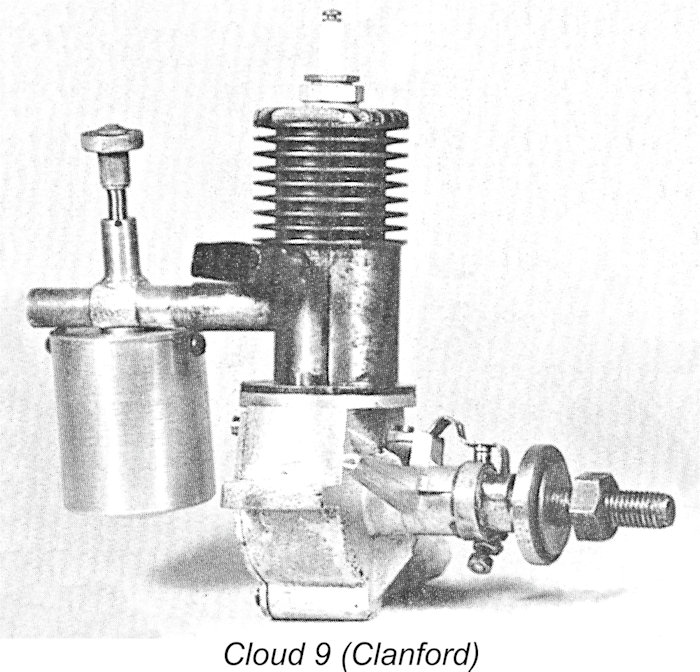
Not much can be dependably deduced from the single image of the engine which seems to be all that’s available. The Cloud 9 was a basically conventional plain-bearing sideport spark ignition engine of its era, with its bypass passage and induction port located at front and rear respectively. The exhaust ports appear to have been oriented towards the rear, with a brazed-on stack directing the discharge to the side. The integrally-finned cylinder was evidently blind-bored, with both barrel and head fins machined directly onto it. An open-frame timer was used, the design of which was to be carried over to later Cloud models. Bore and stroke were never disclosed as far as I'm aware. Although it can't be proved, it seems likely that the Cloud 9 was originally developed as a suitable in-house powerplant for R. J. O'Neil's very popular 72 in. span "Airmaster" model which was introduced by Cloud in kit form in 1938. However, it appears that Colyer was unable to produce the engine at a sufficient rate, soon leading Cloud to begin to promote the use of the Dennymite engine (of which Cloud was a British distributor) in the Airmaster. It may have been this experience which led to to the acquisition of the additional equipment funded by O'Neil's sponsor Dunn & Co. I’ve been unable to find any significant media references to the Cloud 9, nor does the engine seem to have appeared in Cloud’s advertising at any time, presumably being sold over the counter at Cloud's store in Dorking. Consequently, I have no technical data or price information to share, nor am I able to confirm the engine’s period of production. My valued friend and colleague Gordon Beeby found only a couple of brief mentions of the Cloud 9 in Dr. J. F. P. Forster’s “Petrol Topics” features in the June and September 1940 issues of “Aeromodeller”, prior to the issuance of the ban on power model flying in Britain which lasted until September 1944. If nothing else, these references at least confirm the existence of this mega-rare engine! The most informative of these references appeared in the “Petrol Topics” feature of the magazine’s June 1940 issue. A certain W. C. Evans of Horsham reported flying a 9 square foot (1,296 square inch) wing area model using a Cloud 9 engine for power. The impressive size of this model pretty much confirms the engine’s supposed 9 cc displacement. Evans was extremely complimentary regarding the engine’s qualities, although he provided no detailed technical information. All that can be said is that it obviously did an excellent job of flying this large model, also handling very well.
The selling price of the Cloud 3 was quoted as being £4 7s 6d (£4.38) complete with coil and condenser. A matching 9-in. diameter prop was available at 2s 6d (£0.13). Note that the Cloud Elf model kit was advertised alongside as having been designed especially for the Cloud 3 engine.
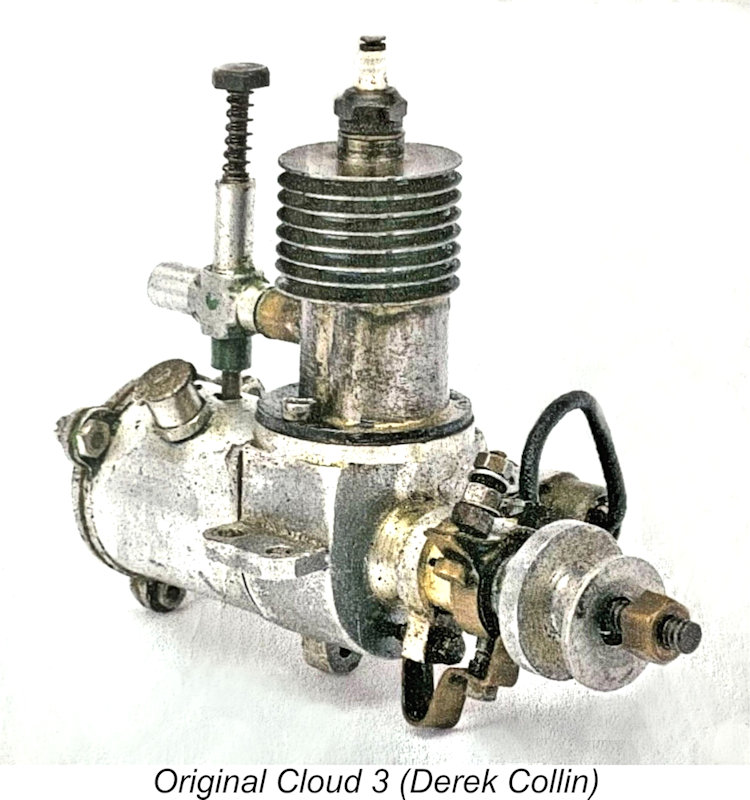
Based upon the information provide in this article plus the advertising copy, a relatively comprehensive description of the Cloud 3 can be provided. It was a basically conventional sideport spark ignition engine of its era having nominal bore and stroke dimensions of 0.625 in. (15.875 mm) apiece for a calculated actual displacement of 3.14 cc (0.192 cuin.). The engine’s weight complete with ignition components and airscrew was given as 10 ounces, implying a weight for the bare engine of somewhere around 6 ounces. Like that of the Cloud 9, the steel cylinder was provided with integrally-formed cooling fins, although the head fins featured on the Cloud 9 appeared to be lacking. It featured an external bypass channel located at the front, with a rear-directed exhaust having no stack. Again like that of the Cloud 9, the cylinder appears to have been blind-bored. A cast iron piston was used. The steel crankshaft appears to have been a composite item having the crankdisc silver-soldered or welded to the main journal. The main journal was supported by a bronze bushing. A simple open-frame timer was used in conjunction with a cam formed at the rear of the steel prop driver.
The June 1939 test of the Cloud 3-powered Cloud Elf added very little information to the foregoing. All that was stated was that the engine was found to be a “good starter” with an excellent response to the needle valve. The full power of the engine was found to be unnecessary to fly this particular model in the “normal” (non-competition?!?) way – the engine could be slowed down by running it rich and/or retarding the ignition, still giving satisfactory airborne results. On full power, a “steep climb” resulted.
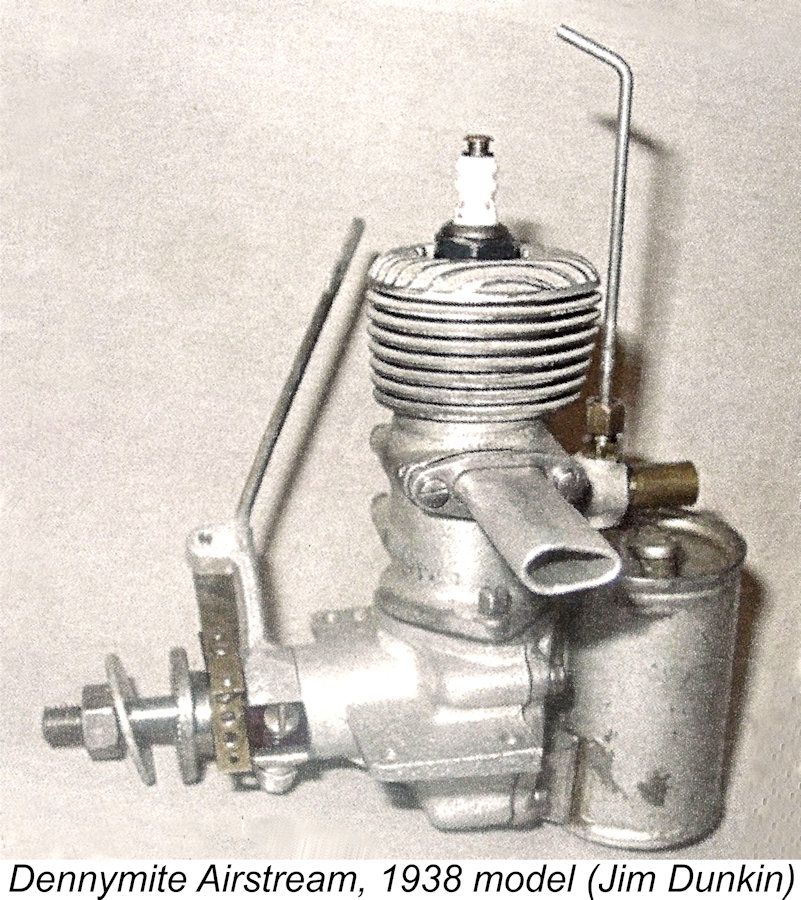
The Dennymite had first appeared in Cloud’s advertisement in the January 1939 issue of “Aeromodeller”. It seems clear that the company had somehow arranged for the delivery of a shipment of the Dennymite Airstream engines. The July 1939 advertisement suggested the Dennymite as a very suitable powerplant for the Cloudcraft Airmaster or Amco Clipper kit models. The Dennymite's advertising appearances imply that the 9 cc Cloud 9 powerplant was no longer available as of early 1939, otherwise it would surely have been mentioned. The Dennymite was still being promoted as of November 1939, in which month it appeared as an illustrated feature of the Cloud advertisement. Rather surprisingly considering that the motor was an import from America, the price of the “De-luxe Airstream” with exhaust extension, motor mount, coil and special choke was only £4 15s 8d (£4.78), with the “standard” version minus accessories being offered at £4 7s 6d (£4.38), the same price at which the Cloud 3 had been offered. Much was made of the Dennymite’s “tear-drop” cylinder profile, which was said to discourage heat-related cylinder distortion. A full review and test of the Dennymite may be found elsewhere on this website – it was indeed a very useable engine.
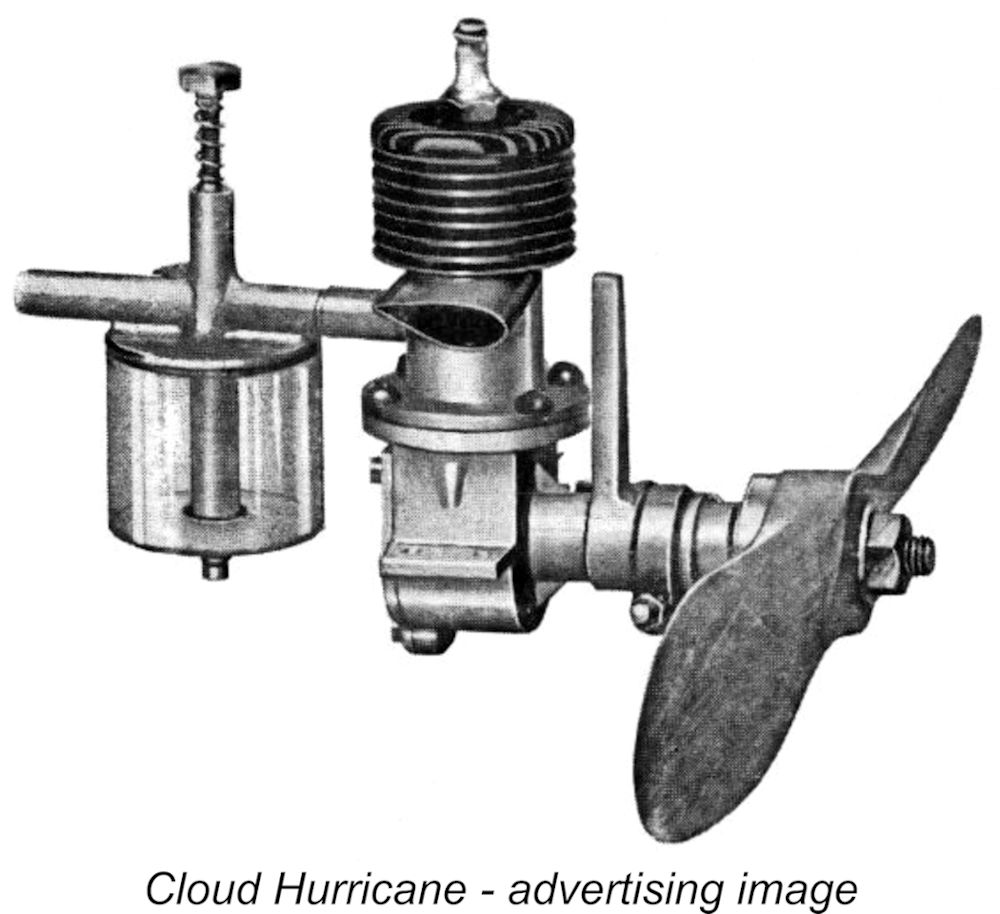
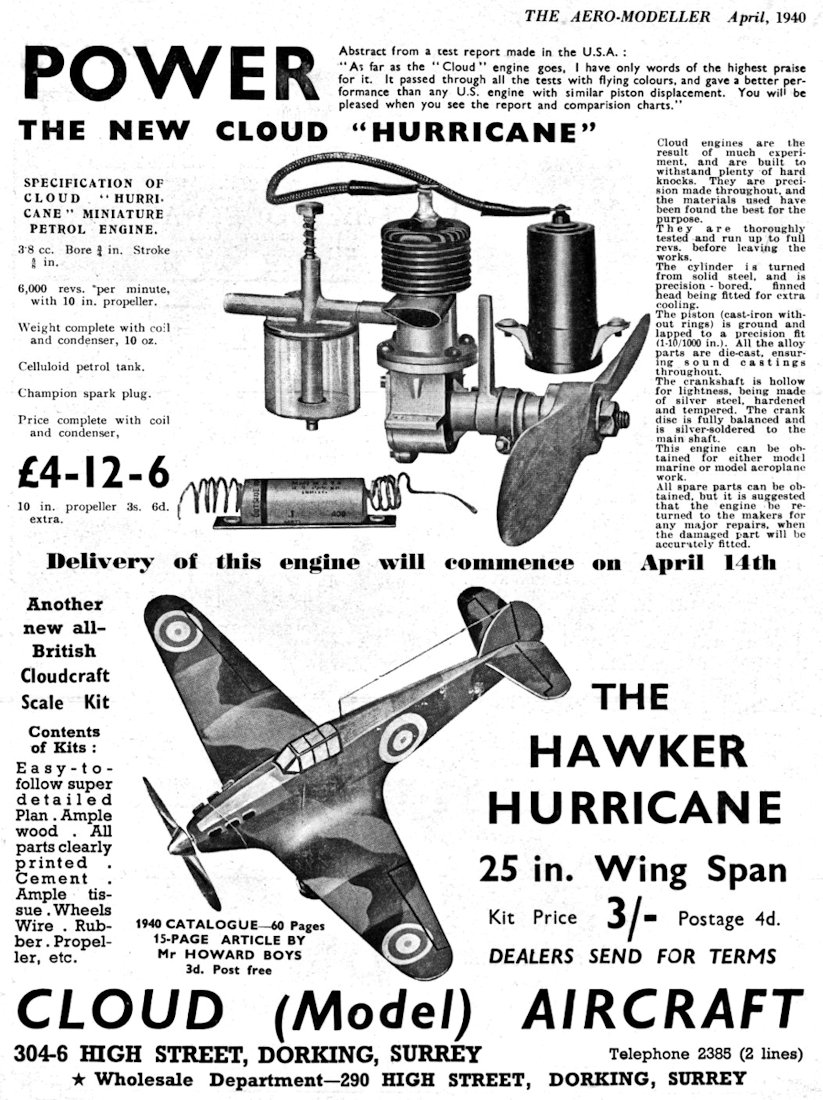
Once again, a considerable amount of technical information was included in the advertising copy relating to the Cloud Hurricane. However, the quoted nominal bore and stroke figures present us with a conundrum, because the clearly-stated measurements of 0.750 in. (19.05 mm) and 0.625 mm (15.875 mm) yield a calculated nominal displacement of 4.52 cc (0.276 cuin.) as opposed to the engine’s quoted 3.8 cc displacement. There are quite a few instances of displacements being intentionally misquoted by manufacturers during this period, but this is a rather extreme example! The result was that the Hurricane offered the performance potential of a 4.5 cc engine presented in 3.8 cc guise, possibly thus enhancing its perceived specific output. Presumably Cloud didn’t expect any of their customers to check these figures, nor would doing so have had much relevance at the time.
The steel cylinder was blind-bored as before, with integrally-machined barrel and head fins. A ringless cast iron piston was once again employed. The composite silver steel crankshaft was centrally drilled for lightness, while the counterbalanced crankweb was silver-soldered in place. The open-frame timer was seemingly unchanged from that used in the earlier model. The claimed weight of the engine was little changed from that of the Cloud 3 at 10 ounces complete with coil and condenser. The ad noted that both aero and marine versions of the engine could be supplied. In performance terms, the only specific claim made in the advertisement was that the engine could turn a 10-in. diameter airscrew of unspecified pitch at 6,000 RPM, implying a significant improvement in torque development over the earlier Cloud 3. We would of course expect this given the increased displacement. The other interesting nugget of information to be extracted from this advertisement is the implication that some examples of the Cloud engines had found their way to America! The advertisement included a quotation from an unattributed US test report which read as follows:
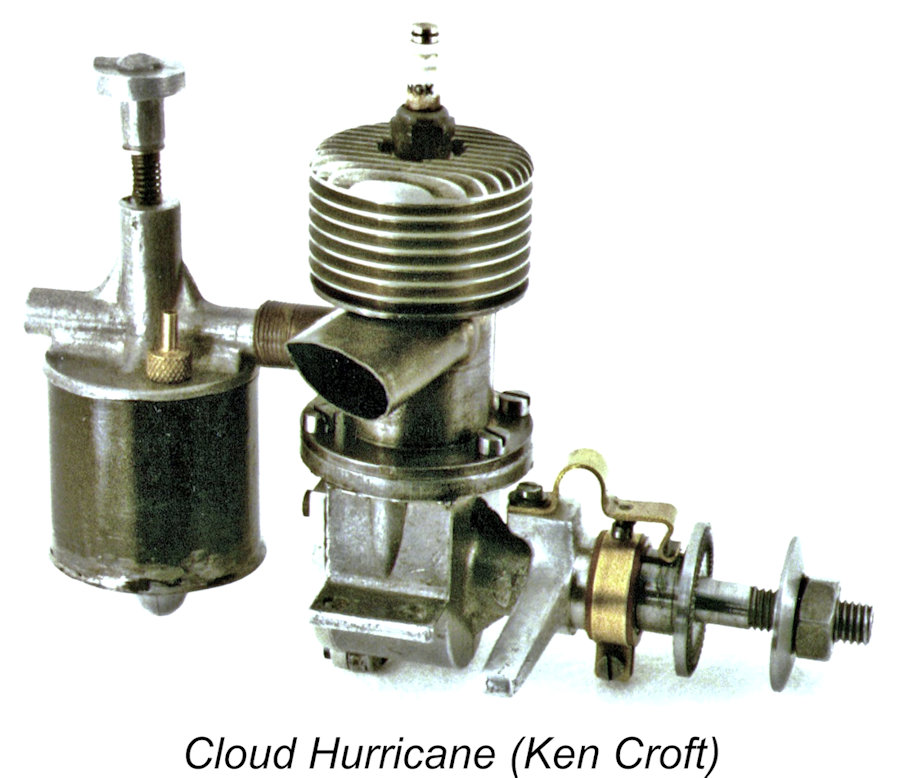
It would be great to find a copy of that report, but I don’t know the name of the US publication in which it appeared! Moreover, I don’t even know to which Cloud model the comment referred! The price of the Cloud Hurricane was cited as £4 12s 6d (£4.63) complete with coil and condenser. The matching 10-in. diameter airscrew was extra, costing 3s 6d (£0.18). Deliveries of the engine were expected to commence on April 14th, 1940. Unfortunately, the Cloud Hurricane was introduced during the 8th month of WW2………..a very poor time to be introducing a new model aero engine! In August 1940, only a couple of months after the introduction of the Cloud Hurricane, the flying of power model aircraft in Britain was banned for the duration, while the precision engineering capabilities of Britain’s model engine manufacturers were now urgently required for the purpose of war materiel production. Combined with the restrictions placed upon the non-essential use of materials, this put a complete stop to British model engine production. Consequently, the production life of the Cloud Hurricane can probably be expressed more precisely in weeks rather than months. Certainly, the engine is vanishingly rare today. A few examples of the engine did undoubtedly get out into the hands of members of the aeromodelling community - the illustrated unit photographed by Ken Croft is an example. In his “Petrol Topics” column in the September 1940 issue of "Aeromodeller", Dr. J. F. P. Forster reported having been present when his friend Col. Bowden brought along one of the “new” Cloud Hurricane engines for a field test. Forster reported that this engine was subjected to a "gruelling" test which it apparently passed with no difficulty. It thus appears that the Cloud Hurricane was a completely satisfactory engine by the standards of its day. Its tragedy, if we can legitimately call it that, is that it was introduced at a time when other factors were just about to put a very premature end to its production. However, those factors did not put an end to the engine itself, as we shall see in the closing section of this article! The Aftermath For obvious reasons, the onset of WW2 put a premature end to Jack Colyer's model engine manufacturing activities, at least for the duration. It's not known how Colyer was occupied during the WW2 years. At age 30 at the outbreak of war in September 1939, he was eligible for being drafted into military service, but it seems more likely that his precision engineering talents were utilized on the home front in war materiel production.
Decades later, the marque received a new lease on life through the creation by Derek Collin of a number of fine replicas of the Cloud 3 model, several of which were used very appropriately to power recreations of the Cloud Elf aircraft built by members of the Power Strugglers vintage modelling group of which Derek is a member. Present-day builders of this model typically use a Mills 1.3 diesel for power.
Returning to the WW2 period, the end of the war found Jack Colyer desirous of resuming his model engine manufacturing activities, albeit necessarily doing so using his own trade-name as a result of the disappearance of his former Cloud associates. He chose the trade-name Majesco, which was formed from the MA initials of his wife Miriam Annette, his own initials JES and CO for Colyer. His initial The point that makes this relevant to the present article is the fact that the first model to appear under the Majesco banner, the Majesco "45" sparkie of early 1946, was unmistakably neither more nor less than a direct development of the Cloud Hurricane! The design similarities are far too marked to be coincidental. Bore and stroke dimensions are identical, while the crankcase appears to have been produced from the same permanent mold. The porting, ignition timing and fuel supply arrangements are also basically similar. The main difference was that the engine's true displacement was now openly acknowledged rather than being "downplayed" to 3.8 cc to enhance the perceived specific output. In an article which appeared in the February 7th, 1946 issue of "Model Engineer", Edgar T. Westbury confirmed that the Majesco "45" had been developed based on experience gained from the small-scale production of an un-named pre-war design – presumably the Cloud Hurricane. The wording of the 1946 advertisements for the Majesco “45” included the It thus appears that although the original production of the Cloud Hurricane was prematurely cut short by the onset of war, the design actually survived the war to be re-incarnated as the Majesco “45”. My own testing has confirmed the very worthy qualities of that excellent model, which survived in production all the way up to the effective end of the spark ignition era in 1948 and remains a deservedly firm favourite among today’s old-time fliers, over 80 years on. For those interested, a full review and test of the Majesco “45” and the Majesco range in general may be found elsewhere on this website. I hope that you’ve enjoyed making the acquaintance of a short-lived series of model engines which came to an end well before its time but which ended up creating a considerably more durable legacy of real value! Hats off to Cloud (Model) Aircraft and Jack Colyer! ___________________________ Article © Adrian C. Duncan, Coquitlam, British Columbia, Canada First published May 2026
|
 This article forms yet another addition to the series which I’ve been presenting about the often-overlooked engines w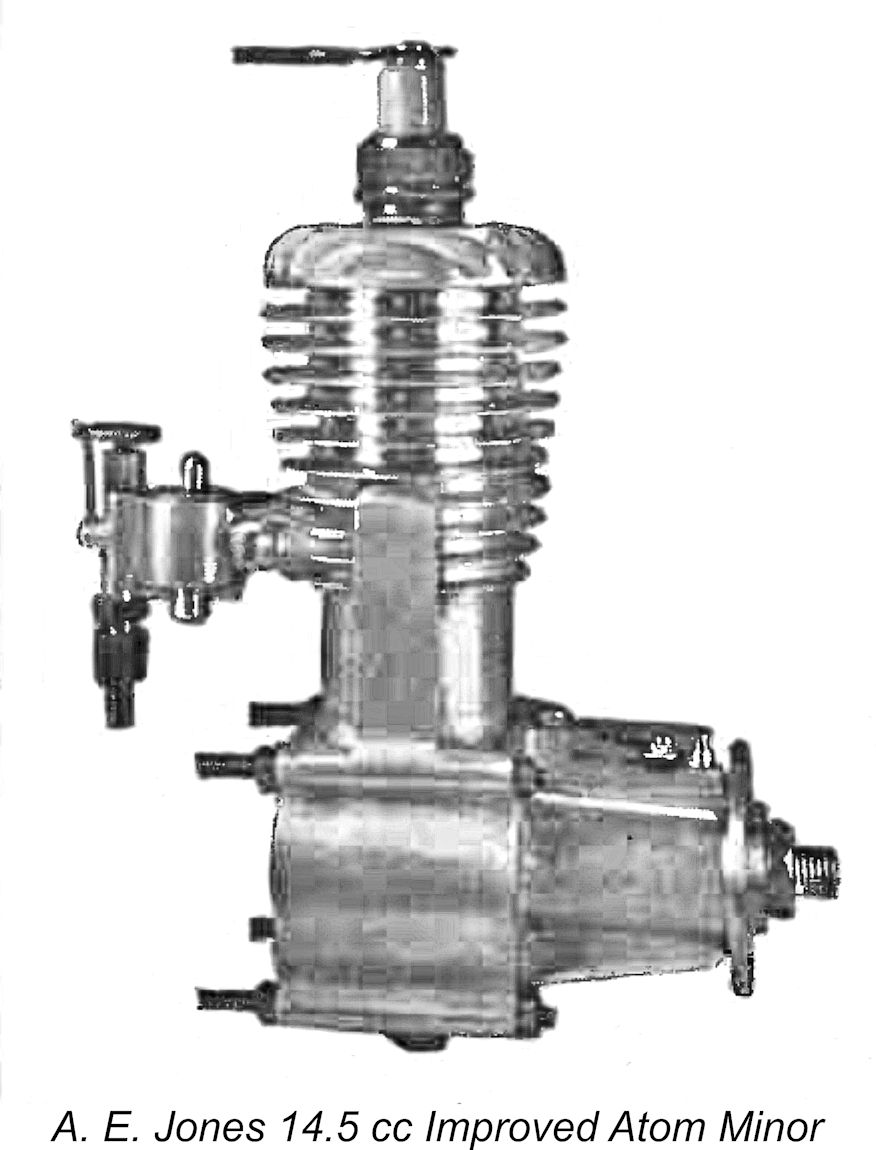
 One common characteristic shared by all of these “house brand” model engines was the relatively small numbers in which they were produced. This is understandable given the fact that they were marketed for the most part through a single retail outlet. The Cloud series was no exception, the result being that original examples of the Cloud engines are vanishingly rare today.
 Dunn & Co. were particularly famous for their impressive array of menswear, so their willingness to become involved in the totally unrelated model trade seems a little difficult to understand. Perhaps someone in a position of authority at Dunn & Co. was an aeromodelling enthusiast on the side or a close friend of O'Neil (or both)? Dunn & Co. were well-known for their signature chain of "High Street" stores in many British communities - perhaps there was one in Dorking High Street adjacent to the Cloud store, which might help to explain the connection??
 Be that as it may, the consequent injection of capital enabled the Cloud company (also known as Surrey Industries Ltd.) to become established in the kit manufacturing business with their Cloudcraft kits, the majority of which were designed by R. J. O'Neil himself. These included the very popular 72 in. span "
 The Cloud company used its new-found economic clout to organize the supply of large consignments of American model products, with an emphasis on those relating to power aeromodelling. These included the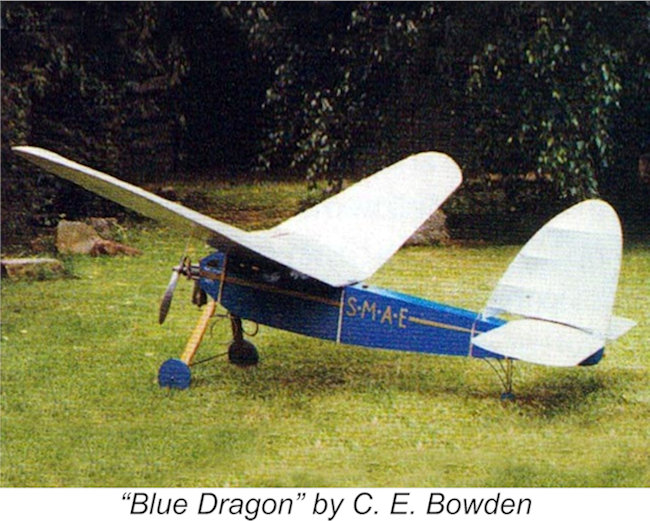
 Colyer seems to have begun his involvement with the Cloud company by conducting their engine servicing operations. However, it was only natural that the thoughts of both Colyer and Cloud would quickly turn towards the possibility of manufacturing their own powerplants in series. At the time in question, domestic competition was relatively thin on the ground - only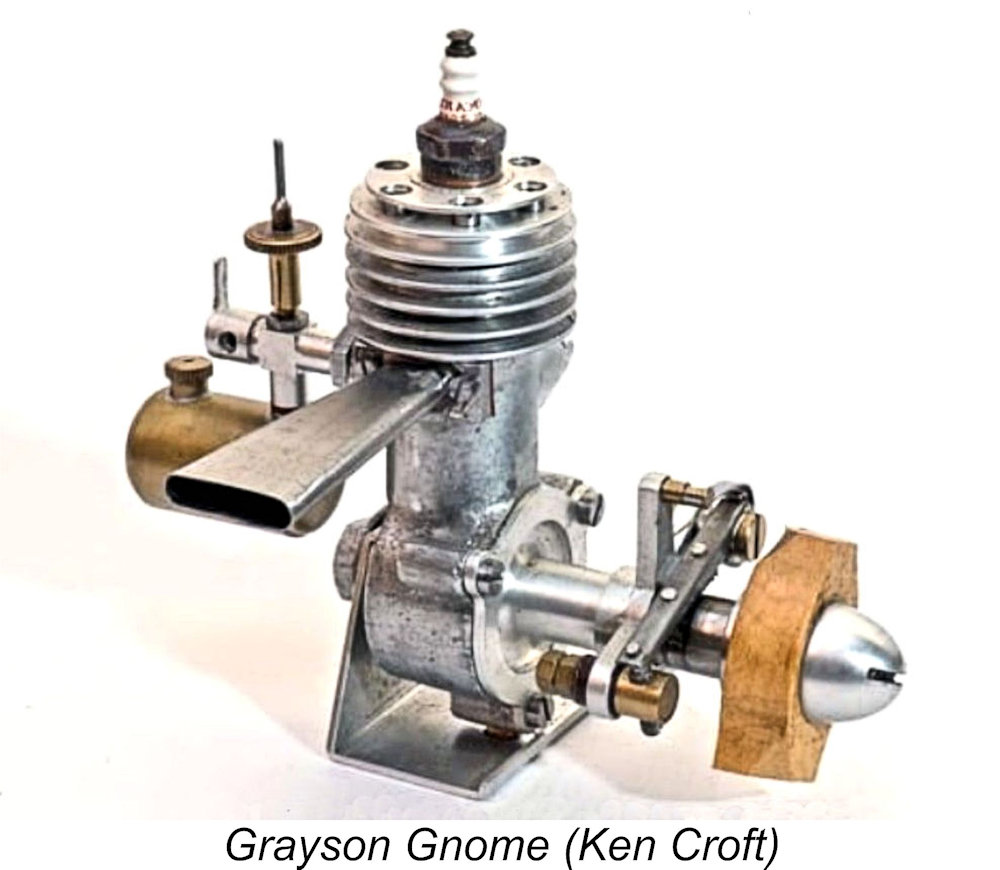
 What appears to have been the first Cloud model to appear was dated 1938 on unspecified evidence by Mike Clanford in his well-known but often unreliable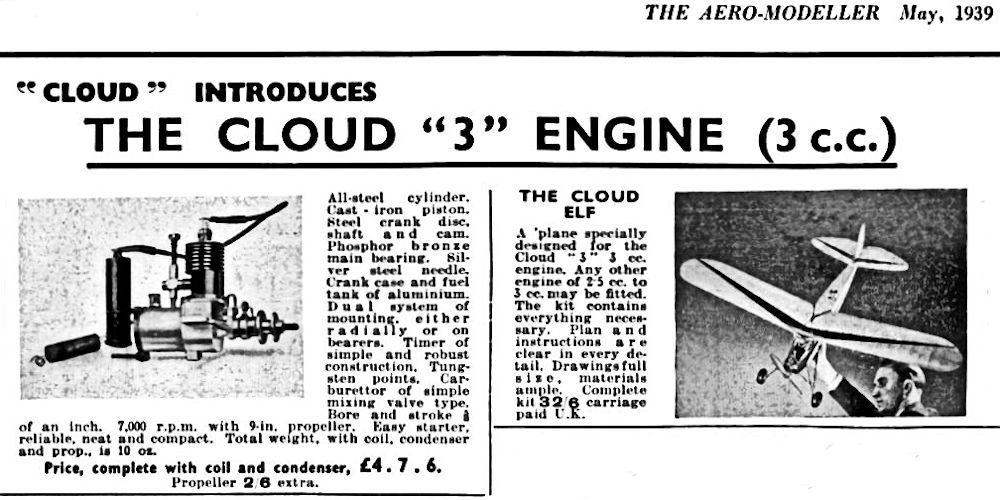
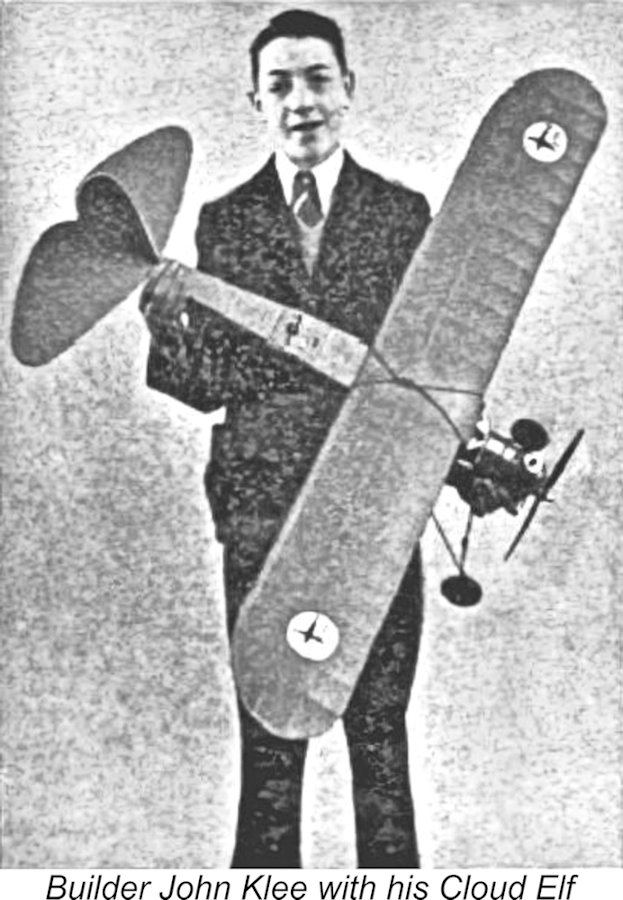 The same advertisement for the engine reappeared in the June 1939 issue of the magazine. In addition, that issue included a field test of the 52 in. span Cloud Elf kit model powered as intended by a Cloud 3 engine. This model had been built from the kit by “Aeromodeller” staff member John Klee. Two paragraphs were devoted to some commentary upon the engine.
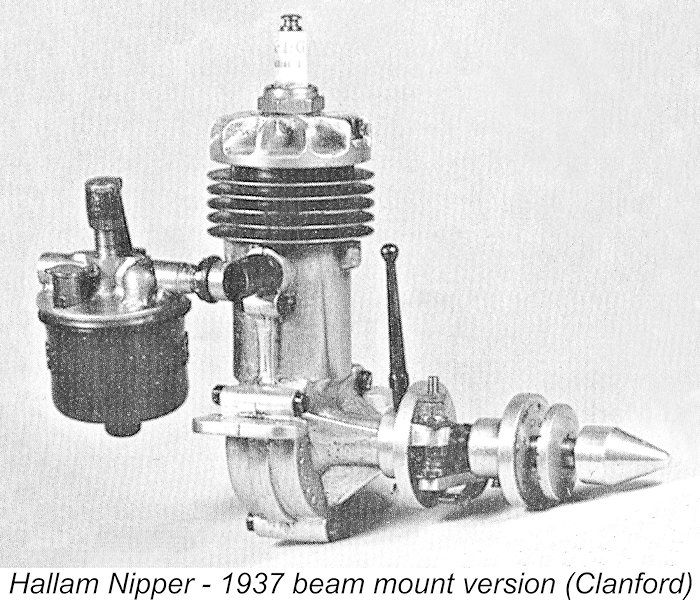
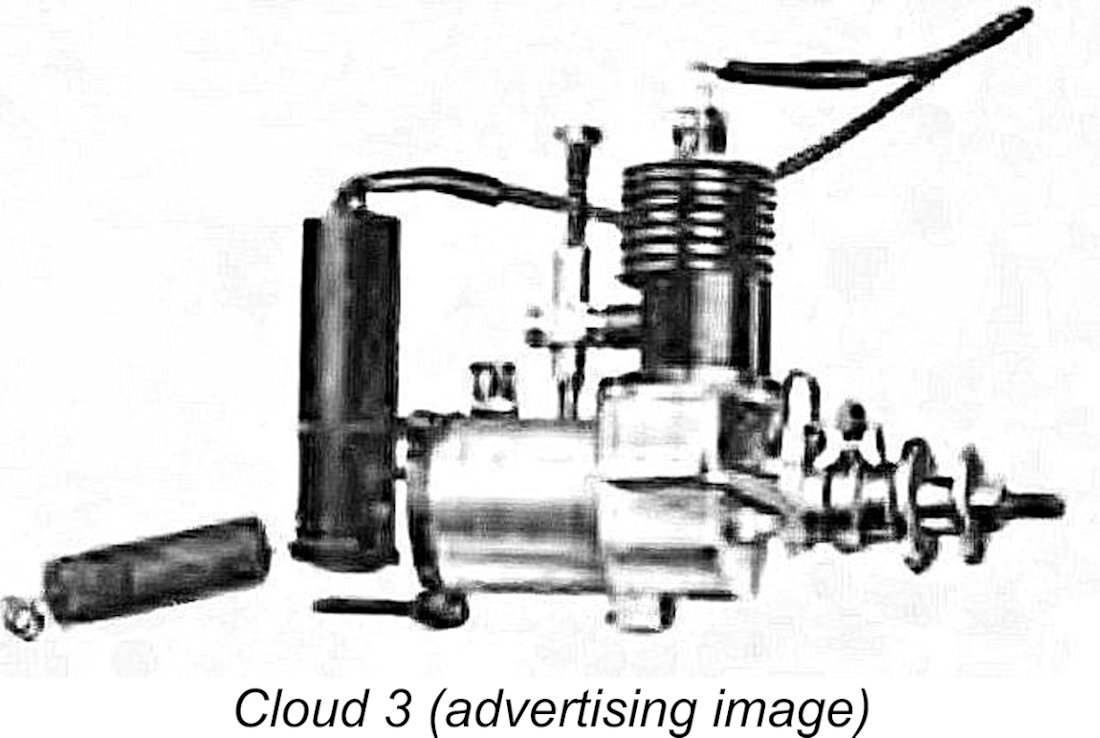 The engine was arranged for either beam or radial mounting. Most unusually, the radial mounting lugs were located at the rear of the tank, which must have been an extremely sturdy affair which was very well secured to the engine.
 In performance terms, the claim was made that the engine would turn a 9-inch diameter airscrew of unspecified pitch at 7,000 RPM. If that airscrew was a latter-day APC 9x6, the implied output would be of the order of 0.084 BHP. Not knowing the details of the actual prop to which the claim referred, no truly authoritative comment can be offered.
 The Cloud 3 made one further advertising appearance in the July 1939 issue of “Aeromodeller”. I haven’t been able to find any subsequent advertisements for the Cloud 3 – presumably over-the-counter sales at the Dorking store absorbed all of Jack Colyer’s limited production without the perceived need for any further advertising. In fact, the subsequent advertisements from Cloud which featured a model engine focused upon a different marque entirely – the 9.38 cc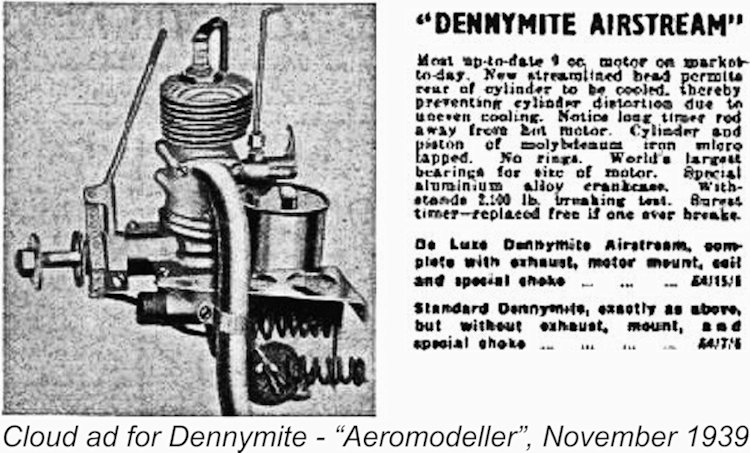
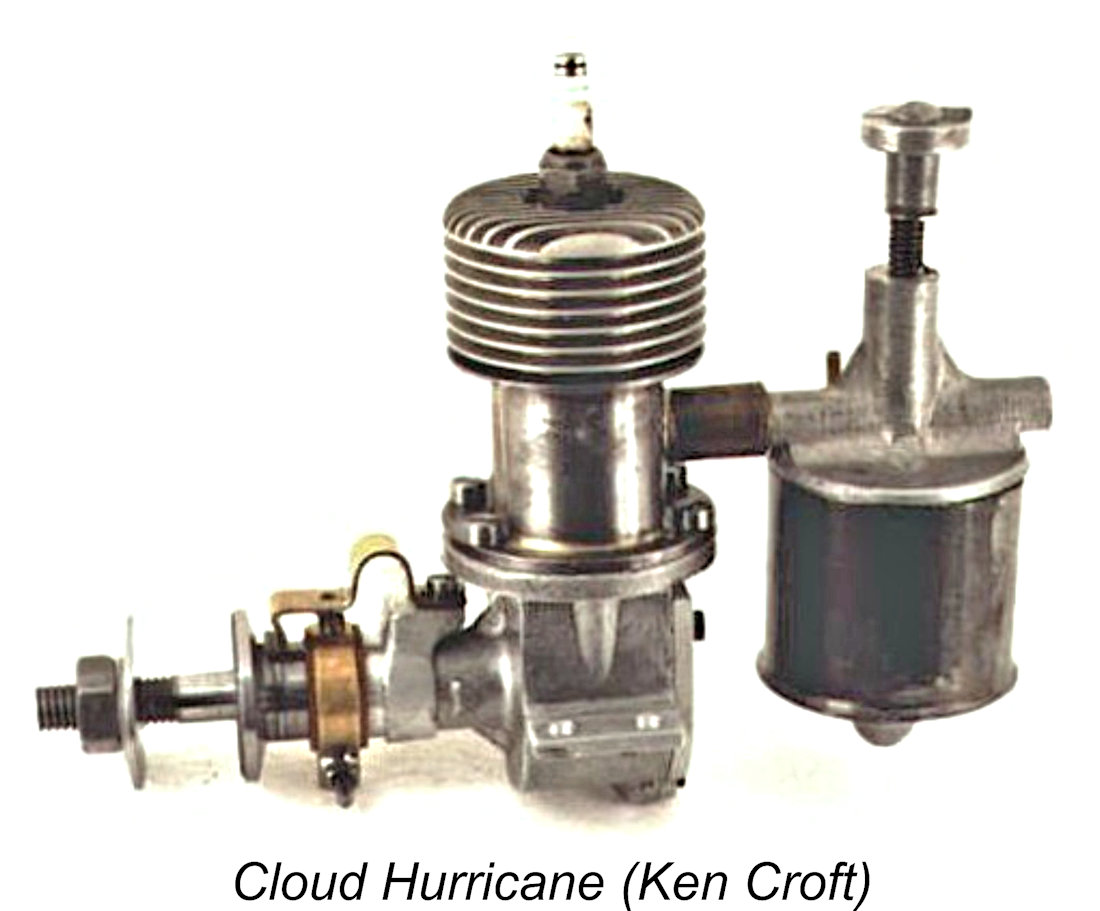 The plain bearing side-port design layout of the Hurricane was basically the same as that which had been applied to the earlier Cloud models with the exception that the exhaust and transfer ports were relocated to bring the bypass to the left and the exhaust to the right. The exhaust was now provided with a substantial sheet metal stack which appears to have been retained by brazing or silver-soldering.
 “As far as the Cloud engine goes, I have only words of the highest praise for it. It passed through all the tests with flying colours, and gave a better performance than any U.S. engine with similar piston displacement. You will be pleased when you see the report and comparison charts”.
 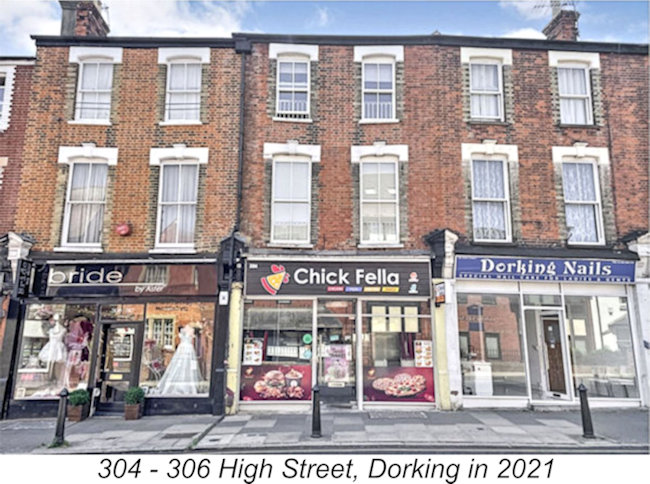 The Cloud model engine venture had been terminated by the onset of the conflict and was not resumed thereafter. Indeed, the apparent absence of any advertising in post-war issues of "Aeromodeller" suggests that Cloud (Model) Aircraft themselves did not survive the war years. Consequently, the Cloud engines quickly faded into power aeromodelling's increasingly dim and distant pioneering past. Today the former Cloud location at 304-306 High Street in Dorking is still occupied by the retail premises of later businesses, with residential flats on the upper floors.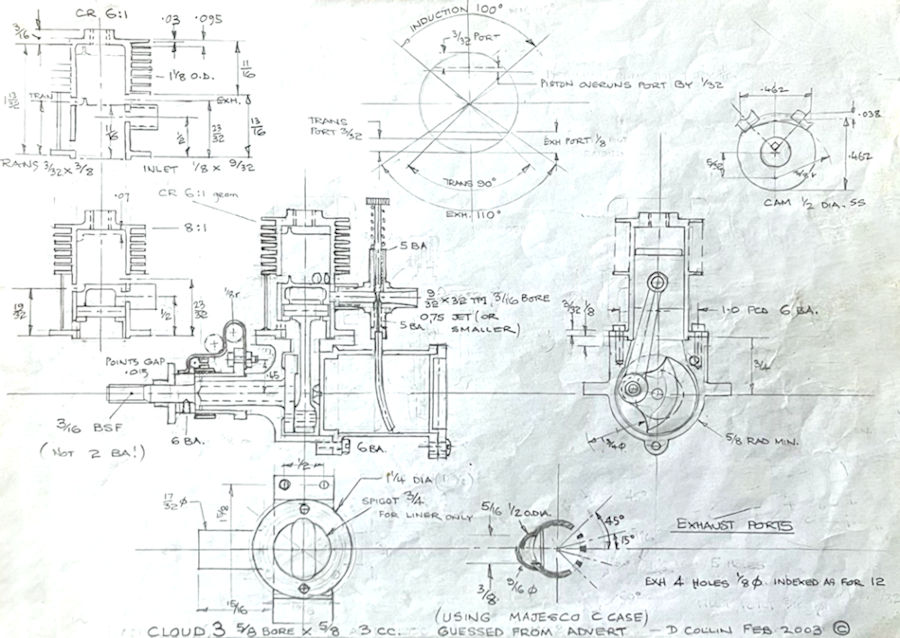
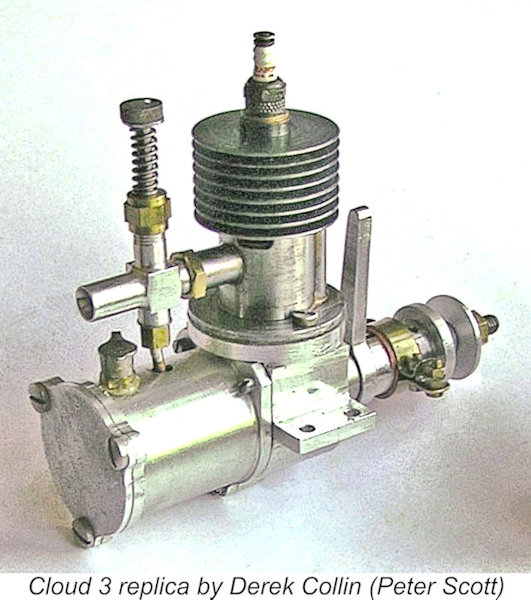 replicas, but perhaps someone else may wish to have a go! Thanks to the kindness of Power Strugglers member David Hill, I have both the plan and the crankcase drawings at higher resolution if anyone's interested.
 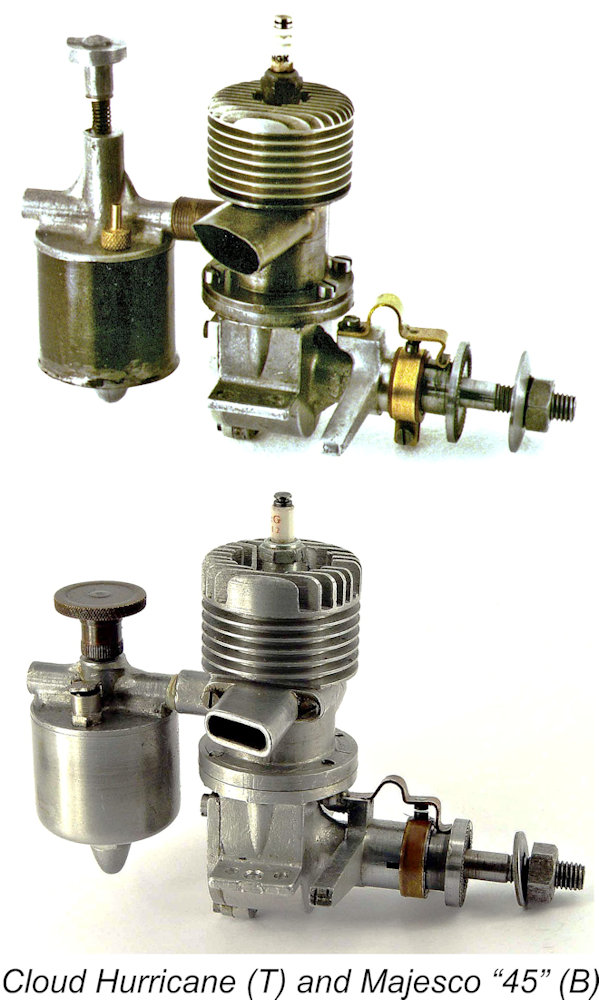 manufacturing efforts were based at the Church Street location in Littlehampton which was very likely the same facility which had been used earlier to produce the Cloud engines. However, in early 1947 he relocated his operation some distance west along the coast to Parkstone in Dorset, adjacent to Poole and Bournemouth.
 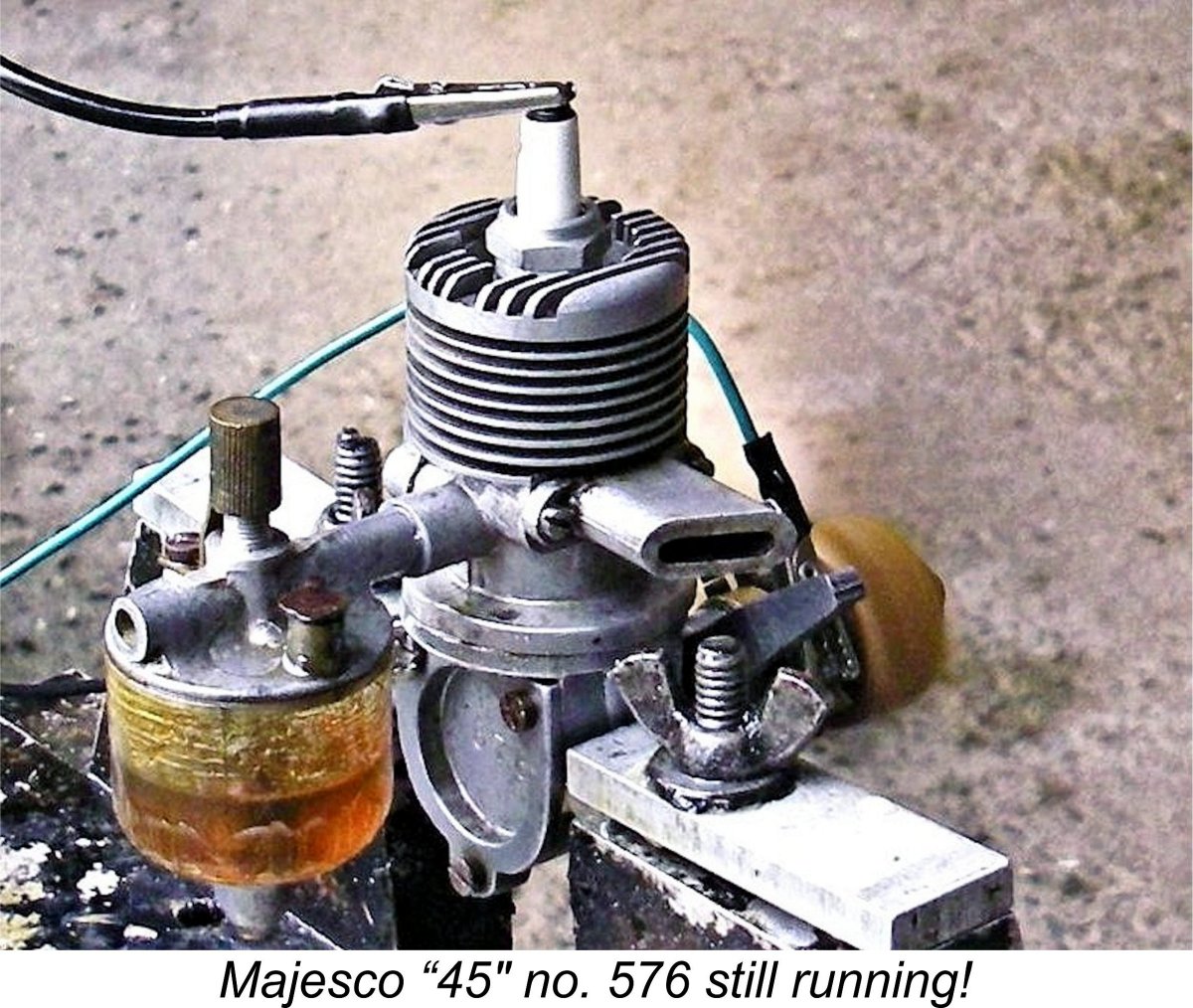 claim that the “45” had been under development for no less than 7 years! The advertisements also claimed that the prototype was still in use as of mid-1946 after seven years of service! Jack Colyer evidently considered the Cloud Hurricane (or possibly the Cloud 3) to have been the prototype for the Majesco “45”. The claimed 7-year working life further reinforces one’s impression that the pre-war Cloud engines must have been very durable units.
| |